Picking a portfolio template is mostly about knowing which one fits your style. Seven from the Framer marketplace I'd actually recommend, free and paid.
I've spent more time on the Framer marketplace than I'd like to admit. Here are seven portfolio templates I'd actually recommend, with a clear reason for each one. Mix of free and paid, mix of styles, all built well.
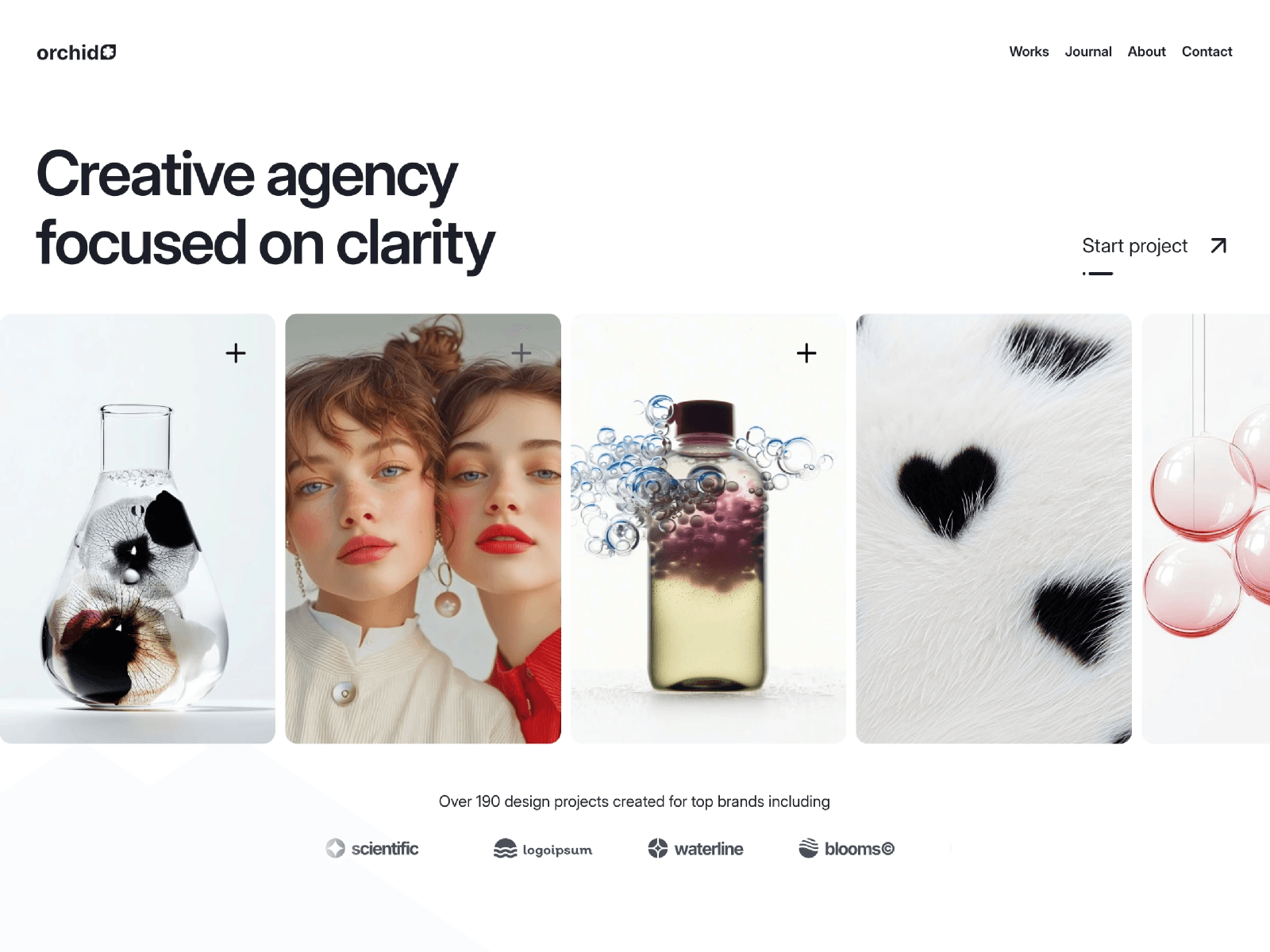
1. Orchid
Orchid by Ava Thiery — Free
My template. Orchid is built for independent designers, creative agencies, and small studios who want something light and editorial without losing the CMS flexibility you need to actually run a site. Tight design system, generous spacing, a palette you can recolor easily, and a CMS structured around real work.
2. Refined
Refined by Marc Kuiper — $99
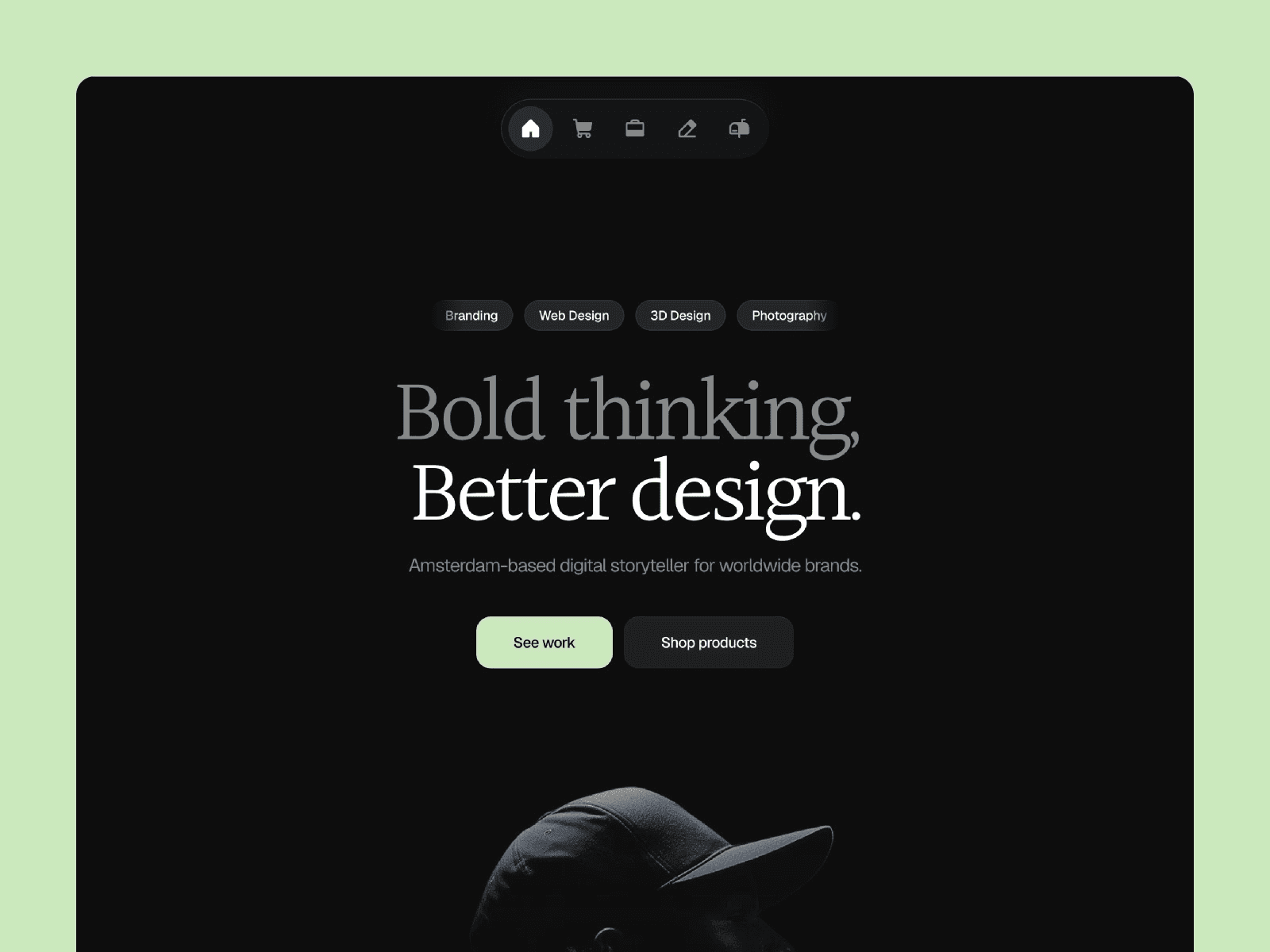
This is the one to look at if your portfolio is also doing the work of a small store. Refined ships with 10 pages including Shop and Product Detail, and it plugs into LemonSqueezy, Polar, or Contra for selling digital products straight from the site.
Most portfolio templates are just portfolios. This one is set up for designers who sell things alongside their work, whether that's templates, presets, courses, or anything else digital. Strong typography, a solid CMS structure for both Work and Blog, and animation that supports the content rather than competing with it.
A reliable choice if you want one site that handles both your work and your products.
3. Fuel
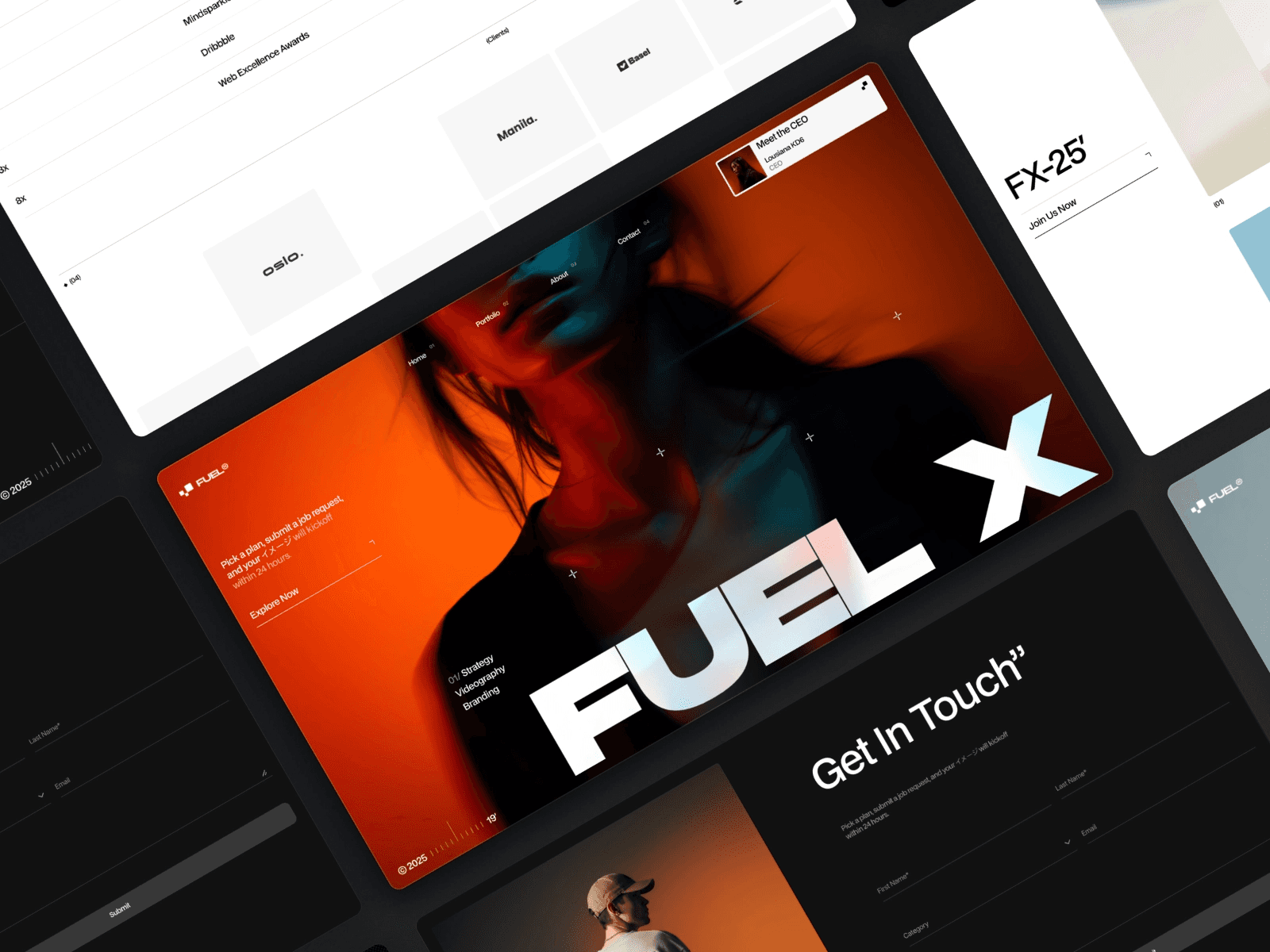
Fuel by Westhill Studio — Free
Fuel is what wins the Framer Awards for a reason. The design feels expensive without trying too hard, the typography is genuinely well-considered, and it works for both individual portfolios and small agencies without much effort.
For a free template, the quality bar is unreasonably high. Westhill Studio has a whole catalog of these (Viper, Porto, Bronx, Palmer, Dune), and they're all worth looking at. Fuel is the one I'd start with.
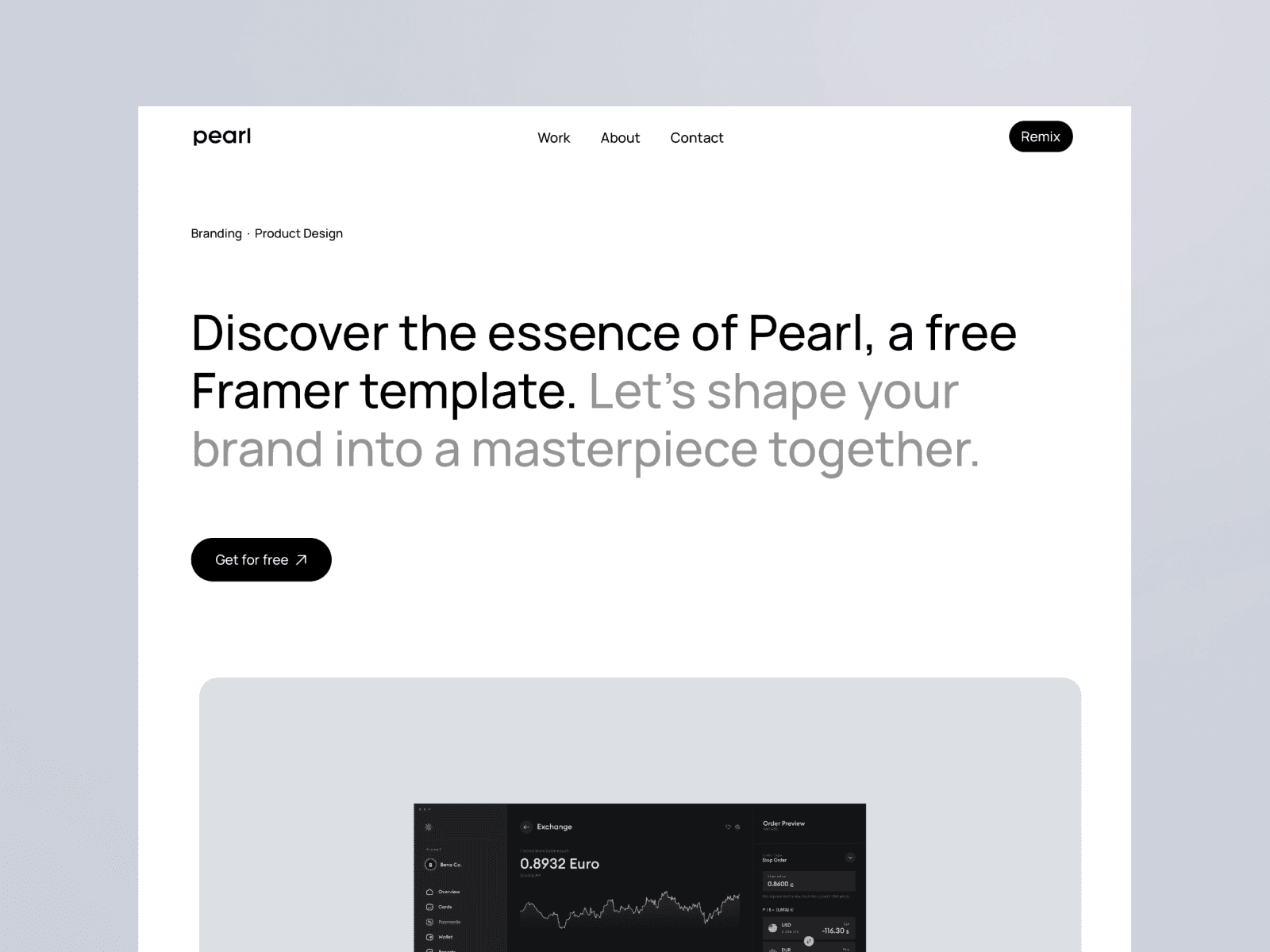
4. Pearl
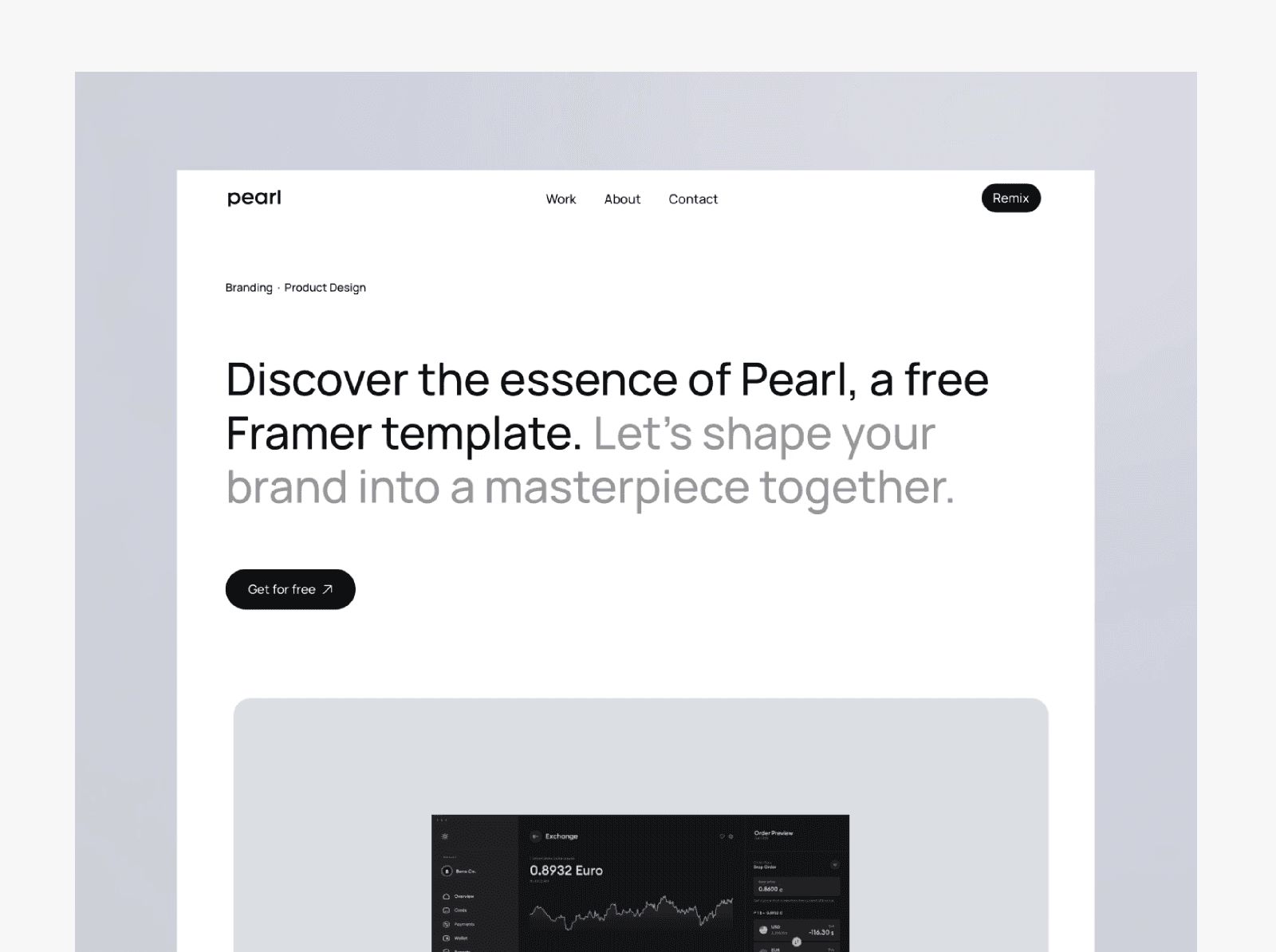
Pearl by Dawid Pietrasiak — Free
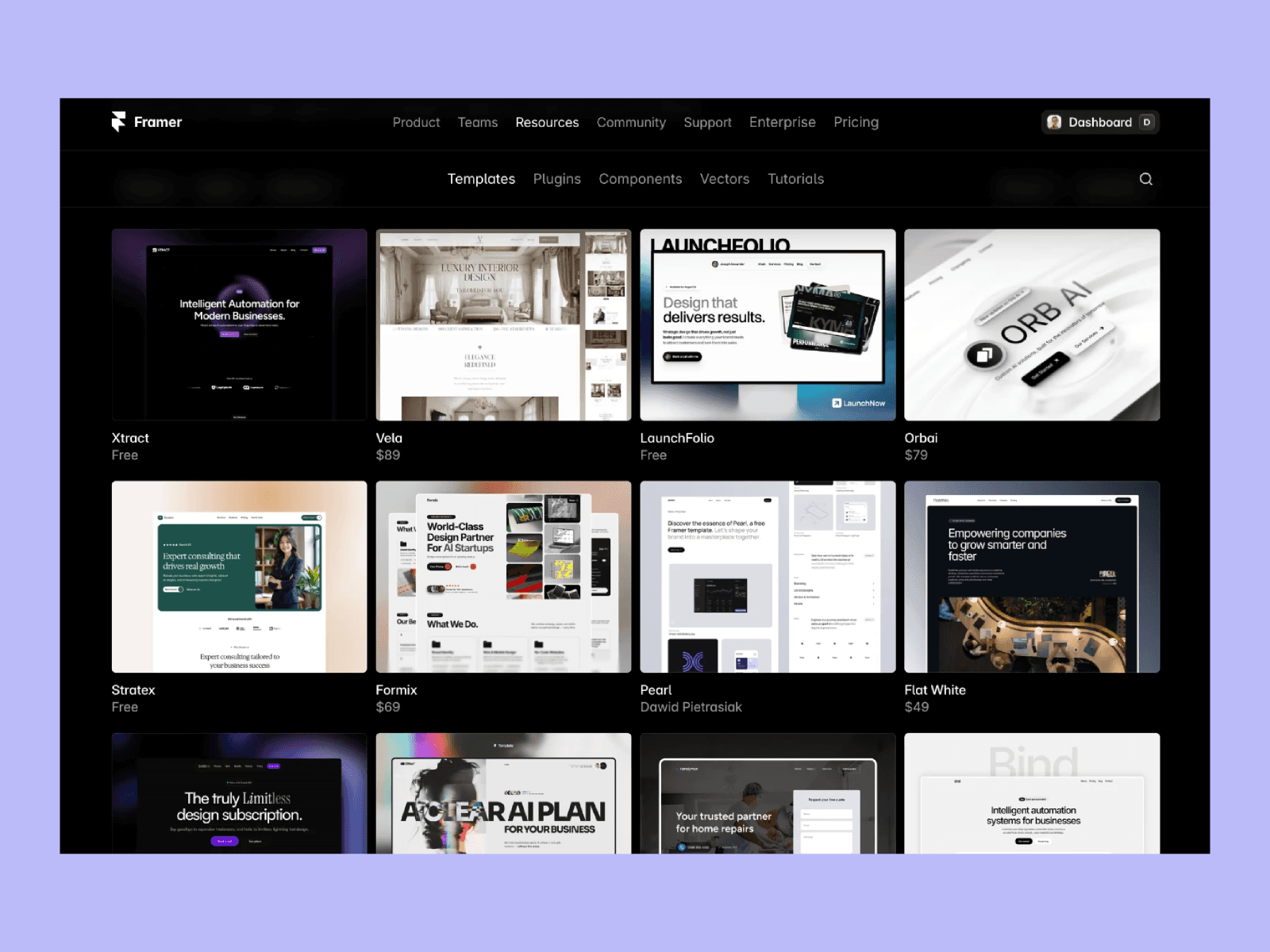
Pearl is a sleek, minimal portfolio that's quietly become one of the most popular free templates on the marketplace. It's been viewed over 255,000 times, and once you preview it, you can see why.
The work gets the room it needs, and the typography does most of the visual lifting. The structure is straightforward enough to make it yours without rebuilding the foundation. Good for designers, photographers, and artists who don't want to overthink it.
5. Vertical
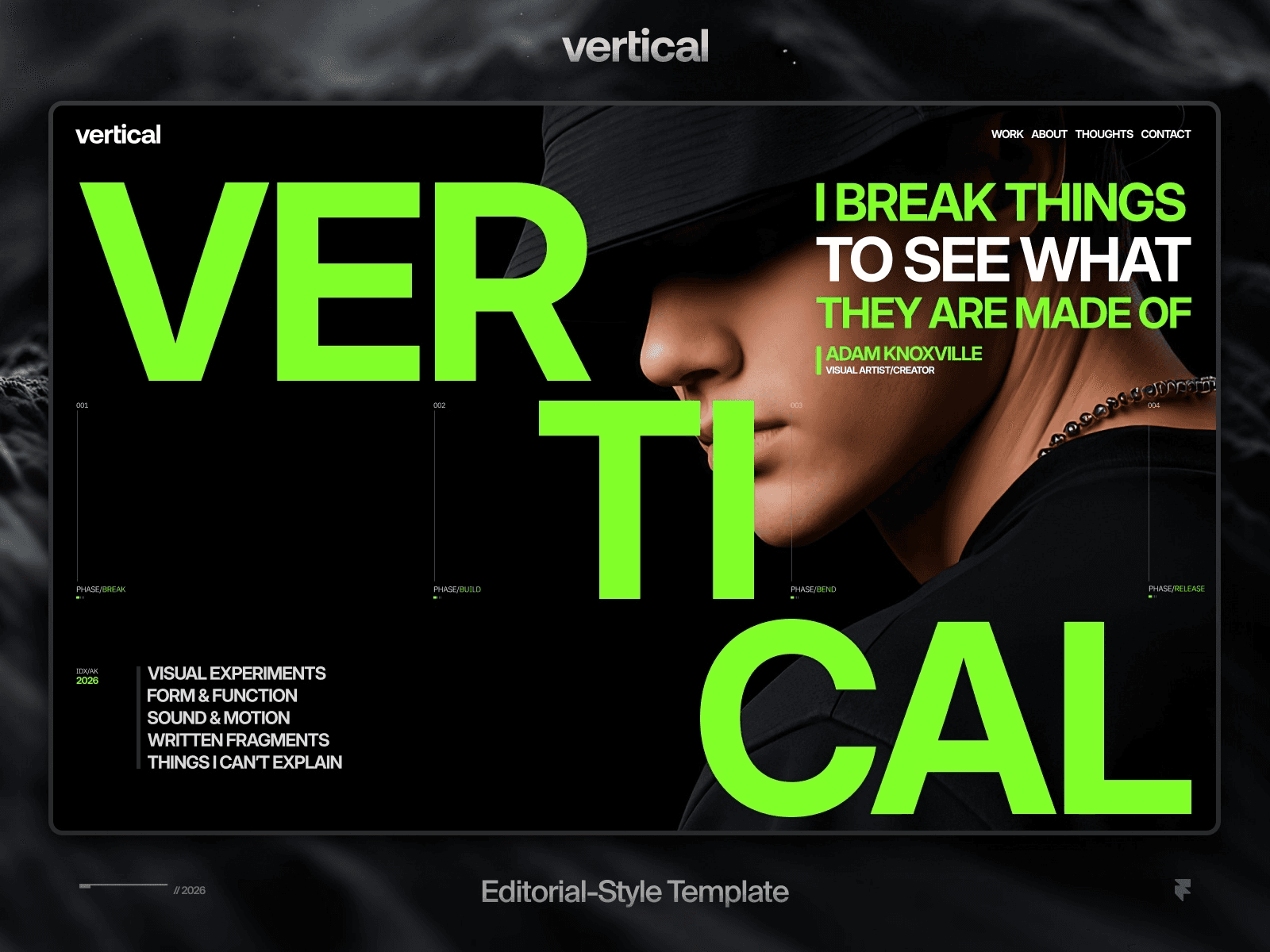
Vertical by Tamas Bodo — $129
Tamas Bodo describes Vertical as treating your portfolio "like an editorial publication," and that's exactly right. Bold typography, disciplined grids, large-scale imagery. The whole template asks visitors to slow down rather than scroll past.
It's premium-priced, and you can feel where the money goes. Tamas has twenty years of design experience (BBDO, JWT, TomTom), and Vertical reads like the work of someone who's seen plenty of bad portfolios.
If your work is strong enough to carry an immersive editorial layout, this is the template that lets it.
6. Amber
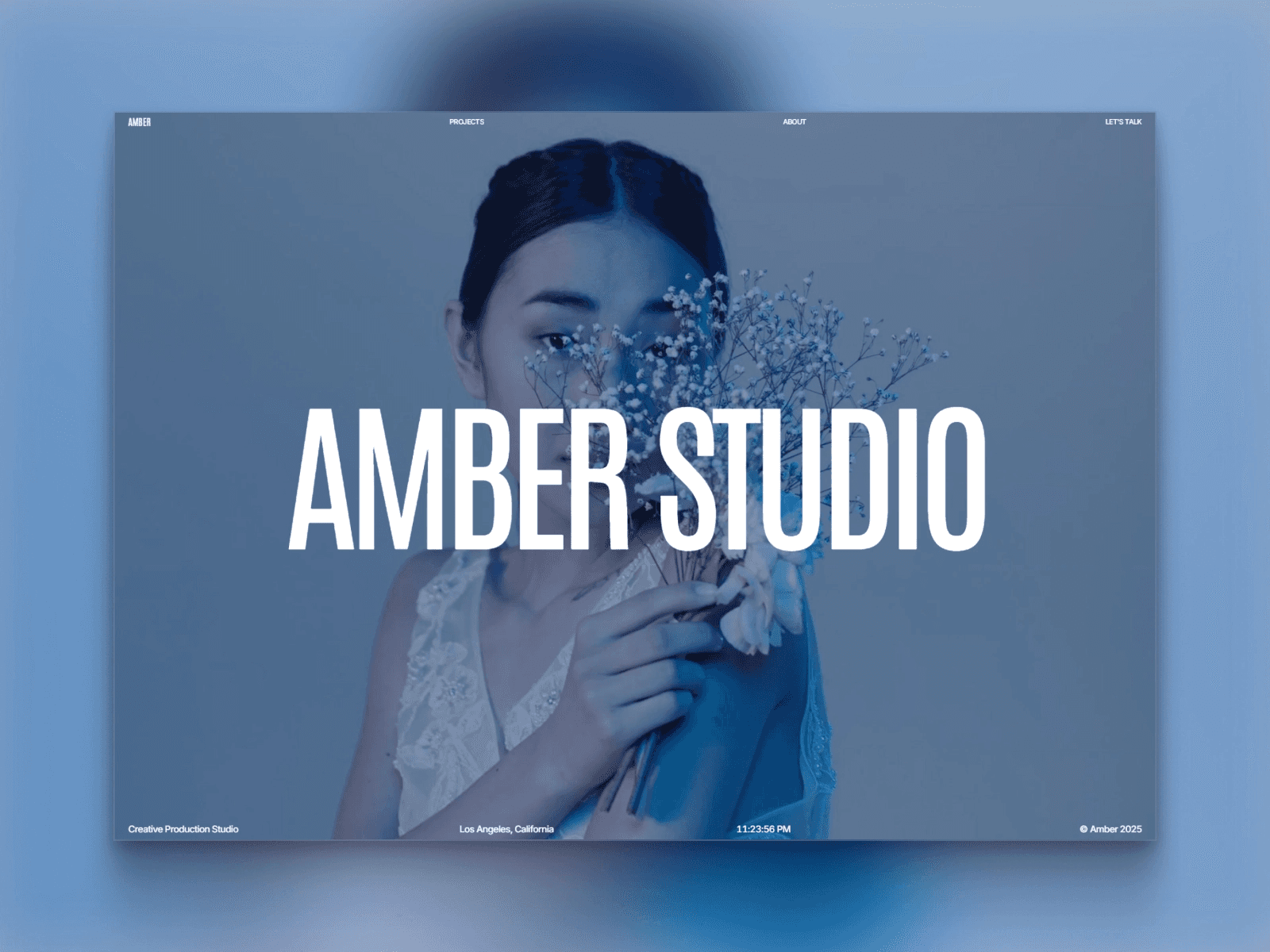
Amber by Thaer Swailem — $69
Amber sits at a useful middle price point and stays near the top of the marketplace's portfolio category. It's a clean, structured template that doesn't try to do anything flashy, which is often exactly what a portfolio needs.
A solid choice if Refined feels too feature-heavy and you'd rather have something simpler that still feels considered.
7. Dune
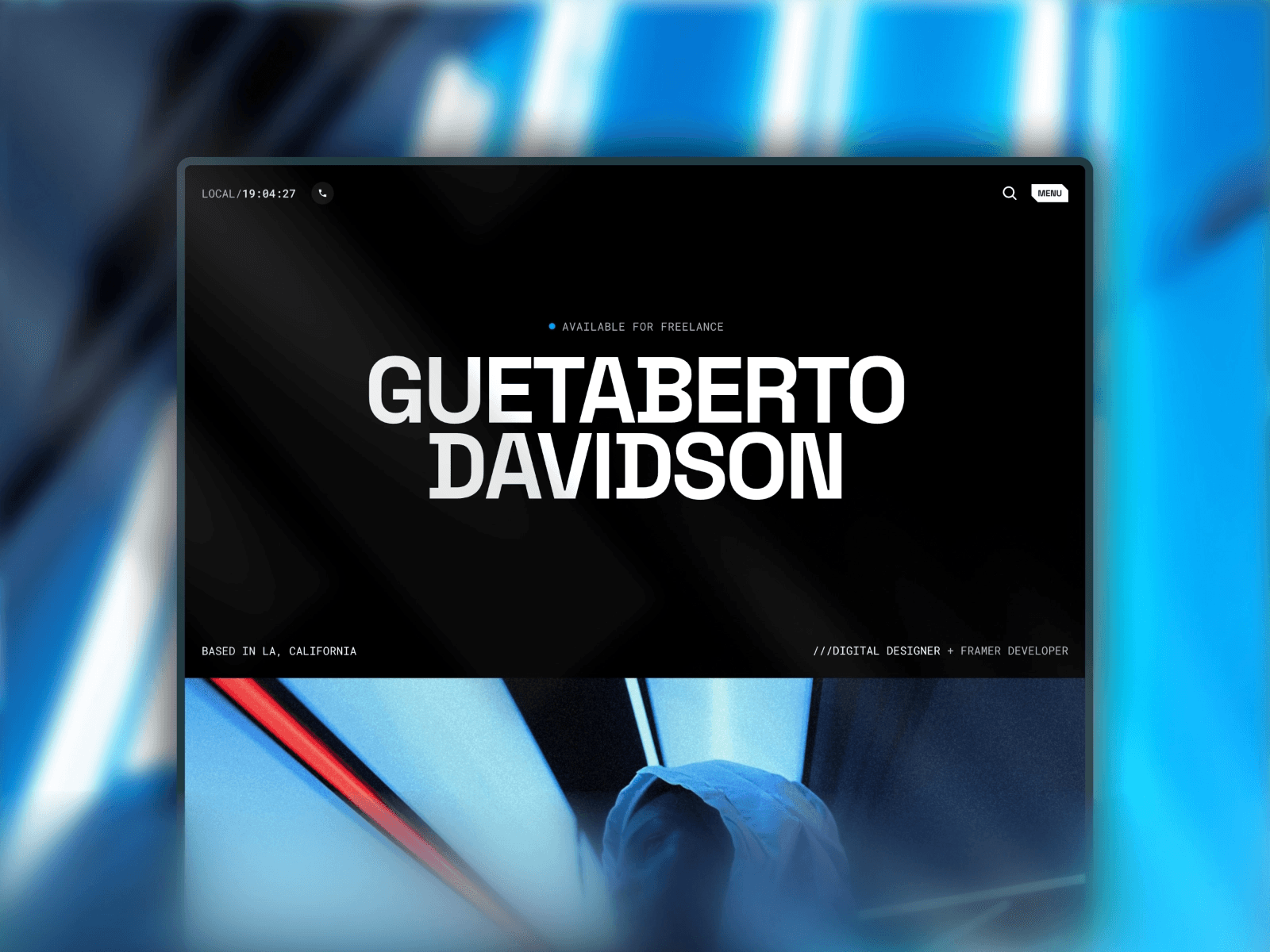
Dune by Westhill Studio — Free
If everything above feels too minimal and you want a portfolio that has a clear visual identity from the second the page loads, Dune is the one. It's a cyberpunk-themed dark portfolio with retro futurist typography and animation that leans into the aesthetic.
This isn't for everyone, but that's the point. Some designers genuinely benefit from a portfolio that looks like nothing else on the marketplace, and Dune commits to that hard.
How to choose
The truth is that any of these will work if you put strong work in them. The choice is mostly about which one fits your style and how much you want to customize.
If you're starting out: go free. Orchid, Fuel, or Pearl will all get you live in an afternoon. If you're a freelancer who sells digital products alongside client work: Refined is built for that exact situation. If you want something premium and editorial: Vertical earns its price tag.
Whatever you pick, swap the placeholder content out fast. A template only starts working as your portfolio once it's full of your actual work.
I'm Ava. I make Framer templates and write about design and development here. You can also find me on X.
I use AI as a writing tool — to improve my English, research topics, and develop ideas. Everything you read reflects my own perspective and experience as a designer.